
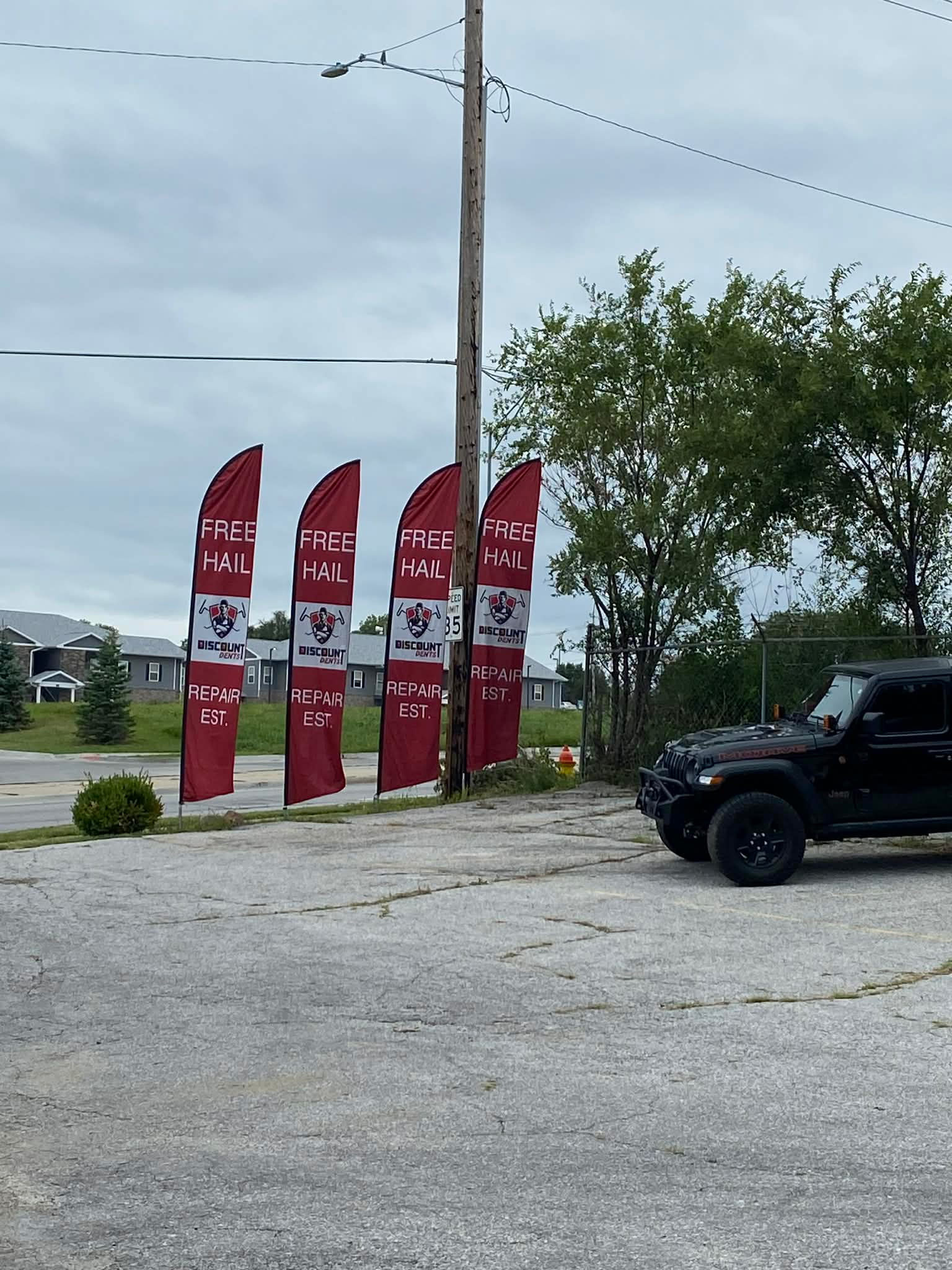
Why the two topics go together
People often hear hail damage repair and paintless dent repair discussed in the same sentence because hail dents are a common reason customers seek PDR. Storms can leave a large number of dents across wide areas of the vehicle, and that makes a finish-preserving approach especially valuable when the damage fits.
What makes hail damage different
Unlike a single dent from one impact, hail damage often affects multiple panels at the same time. The hood, roof, trunk, and tops of the doors may all show signs of impact. That is why hail inspections often focus on counting dents, mapping damaged areas, and deciding whether the vehicle is a good candidate for paintless dent repair.
Why preserving the original paint matters
When the factory finish can be kept intact, many customers see that as a major win. Original paint matters for appearance, consistency, and peace of mind. Paintless dent repair gives many hail-damaged vehicles a way to be corrected without turning a dent problem into a repainting project.
What to do after a storm
If you suspect hail damage, start by looking at the vehicle in good light and paying close attention to the flat surfaces where dents show most clearly. Once you see what happened, the next move is getting guidance on what kind of repair path fits the damage.